The Top 7 Eco-Tours & Outdoors Adventures in Florida
April 30, 2025


Florida is a haven for nature photography, offering an extraordinary range of ecosystems and wildlife that few other places in the country can rival. From its subtropical wetlands and crystal-clear springs to undeveloped beaches and coral reefs, the Sunshine State is home to countless species of birds, mammals, reptiles, and marine life waiting to be captured through the lens.
Whether you’re a seasoned wildlife photographer or a curious traveler with a camera who likes to capture memories, Florida provides endless opportunities to document the natural world. With over 500 bird species recorded, protected manatee habitats, and the only place on Earth where alligators and crocodiles coexist, the state offers both iconic subjects and rare finds. Scenic backdrops—from sunrises over the Everglades to moss-draped cypress trees—enhance every frame.
In this guide, we’ll explore the best wildlife photography spots in Florida, highlighting the diverse landscapes, species, and features that make each location unique. Along the way, we’ll share tips on where and when to go, what you might see, and how to make the most of your nature photography adventure in wild Florida.

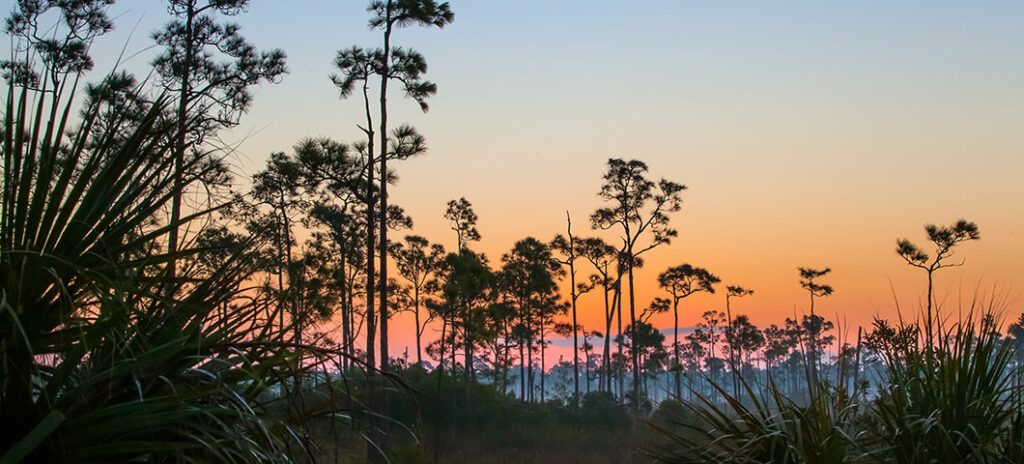
Spanning more than two million acres, the Florida Everglades is one of the most recognizable and ecologically important landscapes in the United States. This vast subtropical wilderness is a dream destination for nature photography, offering a dramatic mix of wetlands, sawgrass prairies, cypress swamps, and mangrove forests. Its rich biodiversity and distinctive lighting conditions, particularly at sunrise, sunset, and under starry night skies, create ideal conditions for capturing stunning wildlife and landscape shots.
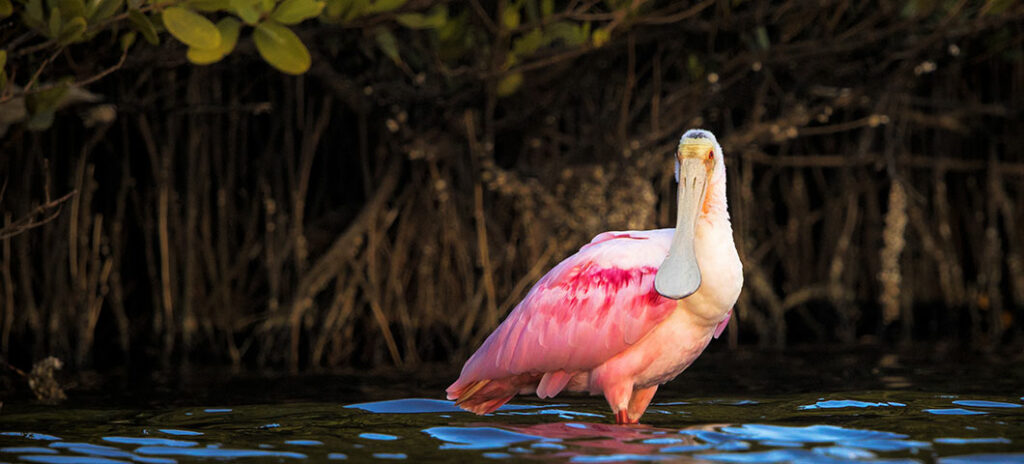
Photographers are drawn to the Everglades not only for its scenery but for its rare and iconic species. With over 360 bird species, including roseate spoonbills, wood storks, and snail kites, birdwatching and bird photography here are second to none. The Everglades is also the only place on Earth where American alligators and crocodiles live side by side, offering a rare opportunity to photograph both in their natural habitat. Other subjects include bottlenose dolphins, West Indian manatees, and even the elusive Florida panther.
Popular photography locations within the Everglades include Shark Valley, Anhinga Trail, and the Ten Thousand Islands. Each offers a unique vantage point, whether you’re on foot, bike, or kayak. The play of light across the water, the reflection of cypress trees, and the vibrant colors of birds in flight make every visit different from the last. For both amateur and professional photographers, Everglades wildlife photography is an unforgettable experience and a cornerstone of any Florida nature photography journey.
Located along Florida’s Space Coast, Merritt Island National Wildlife Refuge is one of the most biodiverse nature photography destinations in the state. Nestled beside the Kennedy Space Center, this expansive refuge spans over 140,000 acres and serves as a critical sanctuary for migratory birds and native wildlife. For photographers, it offers a rich mix of habitats, from saltwater estuaries and freshwater marshes to hardwood hammocks and coastal dunes.
As a designated gateway site on the Great Florida Birding Trail, Merritt Island attracts bird watchers and photographers alike. It’s home to hundreds of bird species, including ospreys, ibis, roseate spoonbills, and the endangered Florida scrub jay. Seasonal migrations bring even more variety, offering new photographic opportunities throughout the year. The Black Point Wildlife Drive is especially popular, providing an accessible route for capturing birds in action, often just steps from your vehicle.
Beyond birds, the refuge hosts a wide range of other wildlife. Bobcats, alligators, river otters, and sea turtles all call this area home, making it a hotspot for wildlife photography in Florida. The blend of land and water, along with ever-changing light conditions, gives photographers an incredible canvas to work with. Whether you’re seeking that perfect bird-in-flight shot or a serene landscape reflecting the marshlands, Merritt Island is a must-visit location for anyone serious about Florida nature photography.
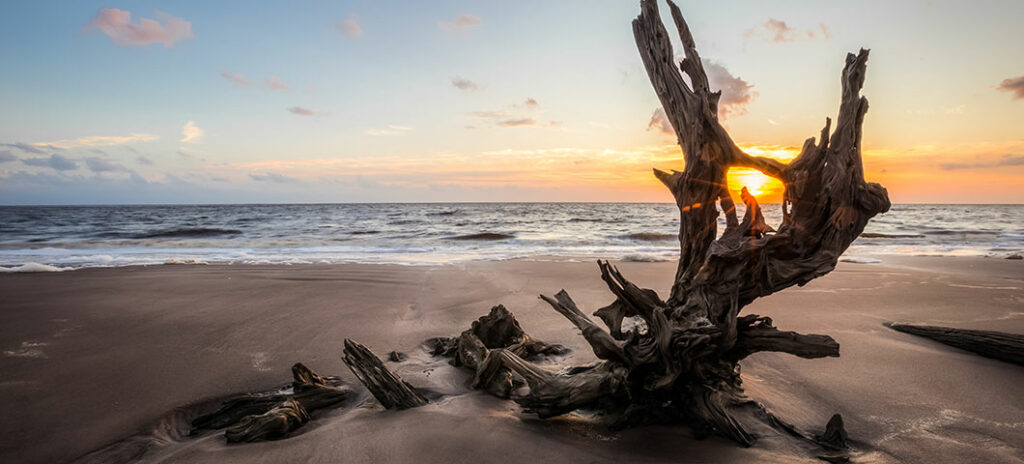
Florida’s coastline offers more than just sun and surf—it provides some of the most photogenic landscapes and wildlife encounters for nature photographers. From sculptural driftwood beaches to undeveloped barrier islands teeming with birds, these coastal gems deliver scenes that are as dynamic as they are diverse.
Located within Big Talbot Island State Park near Jacksonville, Boneyard Beach is famous for its hauntingly beautiful driftwood. Towering bleached tree trunks and twisted limbs scatter the shoreline, creating a dramatic contrast against the sand and sea. As tides shift and weather changes, so does the beach’s appearance, making each visit a new photographic opportunity. It’s a favorite for landscape photographers seeking striking compositions that tell a story of time and tide.
Situated on Florida’s Panhandle, St. George Island State Park offers miles of untouched shoreline that serve as a peaceful haven for shorebirds, sea turtles, and dolphins. Long stretches of white sand, salt marshes, pine forests, and nature trails give photographers a range of scenic backdrops. Sunsets over Apalachicola Bay are particularly breathtaking, casting a golden glow across the landscape that’s perfect for capturing silhouettes and coastal reflections.
This lesser-known preserve near Marineland stretches from the Matanzas River to the Atlantic Ocean, offering a mix of maritime scrub, beaches, and boardwalks. The beach is dotted with large coquina rock formations that add texture and contrast to seascapes. Bird watchers will find ospreys, swallow-tailed kites, and bald eagles, while lucky visitors might spot dolphins, sea turtles, and river otters along the shoreline. It’s a rewarding destination for both landscape and wildlife photography.
Each of these coastal locations offers something unique—from abstract natural sculptures and vibrant birdlife and serene ocean vistas. Together, they showcase why Florida eco photography is such a rich and varied pursuit.
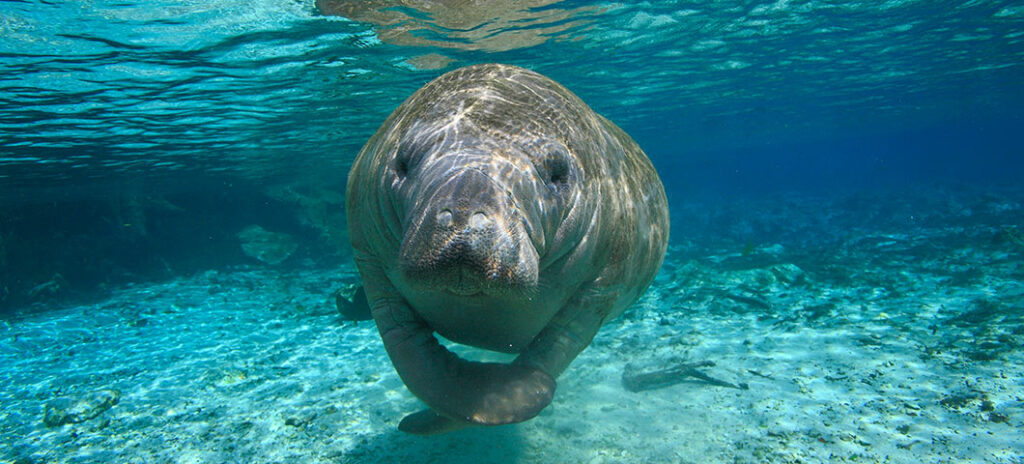
Florida’s freshwater springs are among the most captivating settings for nature photography, offering a window into the state’s aquatic ecosystems. These crystal-clear waters attract a wide range of wildlife and are especially known for their role in protecting the endangered West Indian manatee. With a mix of underwater clarity, lush vegetation, and gentle wildlife activity, these spring-fed locations offer unforgettable photography opportunities.
Crystal River is one of the only places in the United States where visitors can legally swim with manatees. The area is home to the Crystal River National Wildlife Refuge, established specifically to protect these gentle giants. Three Sisters Springs, one of the most famous sites within the refuge, features boardwalks and trails that give photographers excellent vantage points over pristine, turquoise waters. Underwater and topside shots alike benefit from the clarity of the springs, especially during manatee migration season in the winter months.
Located along the St. Johns River and just a short drive from Orlando, Blue Spring State Park is a vital winter refuge for hundreds of manatees. From November through March, the park restricts water activities to protect the animals, offering ideal conditions for quiet observation and photography. Elevated boardwalks provide sweeping views of the spring run, where manatees gather in large numbers. The area also supports other wildlife such as raccoons, alligators, and black bears, making it a versatile spot for Florida wildlife photography.
Part of the Crystal River system, Three Sisters Springs is a popular site for both paddling and shoreline photography. Kayaking or canoeing offers a chance to photograph manatees at water level, while land-based trails and platforms give aerial perspectives of their movements. The spring’s remarkable water clarity allows for detailed shots that capture the interaction between light, water, and wildlife.
These spring locations are more than just beautiful—they play a crucial role in conservation. For nature photographers, they offer a chance to document one of Florida’s most iconic species in its natural habitat. The gentle presence of manatees, combined with the lush surroundings and crystal waters, makes these destinations essential stops on any Florida nature photography tour.
Florida’s southernmost regions offer an entirely different kind of nature photography experience. The Florida Keys and surrounding islands are rich with marine biodiversity, coral reefs, and rare wildlife that can’t be found anywhere else in the continental United States. From snorkeling among vibrant fish to capturing endangered species on land, these locations provide a mix of underwater and island photography that’s both visually stunning and ecologically significant.
As the first undersea park in the United States, John Pennekamp Coral Reef State Park offers photographers a chance to explore the only living coral reef in the continental U.S. The park features mangrove forests, seagrass beds, and vibrant coral formations teeming with marine life. Visitors can capture stunning underwater images while snorkeling or diving, or stay dry with a glass-bottom boat tour that reveals the reef’s colorful residents, including parrotfish, angelfish, and sea turtles.
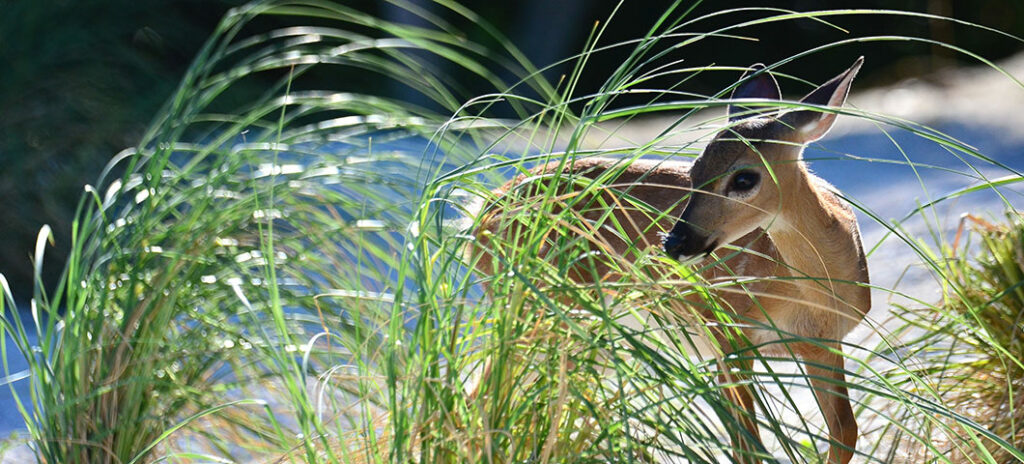
Located in the Lower Keys, Big Pine Key is best known for the National Key Deer Refuge, which protects the endangered Key deer, a small subspecies of white-tailed deer found only in this region. These deer are often seen up close, offering a rare opportunity for wildlife photography. Nearby Bahia Honda State Park adds more variety with its beaches, clear waters, and chances to photograph wading birds and coral reef environments from shore or by snorkel.
Accessible only by boat or seaplane, Dry Tortugas National Park sits west of Key West and is one of Florida’s most remote photography destinations. The park includes seven small islands, coral reefs, and the historic Fort Jefferson. It’s a haven for tropical seabirds, including the sooty tern, masked booby, and brown noddy, which nest here in large colonies. The combination of historic architecture, open ocean, and rare bird activity makes this location truly unique.
The Keys and surrounding islands highlight the diversity of Florida nature photography. With a blend of underwater exploration, rare species, and island habitats, these locations allow photographers to capture a side of Florida that is vibrant, wild, and deeply connected to the sea.
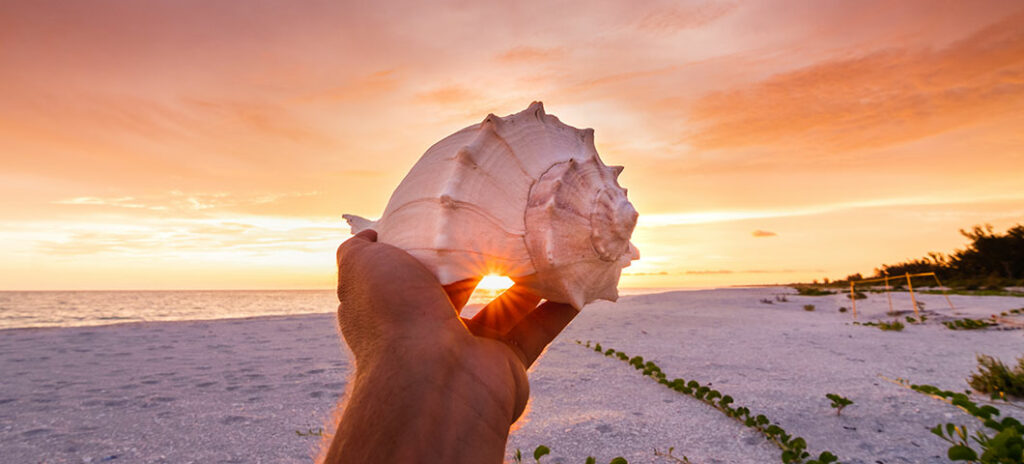
Florida’s Gulf Coast is a treasure trove for nature photographers, offering a mix of marine life, migratory birds, and coastal ecosystems. From the vibrant wildlife preserves of St. Pete-Clearwater to the mangrove-lined trails of Sanibel Island, this region provides diverse opportunities to capture Florida’s natural beauty.
With 15 official sites on the Great Florida Birding and Wildlife Trail, the St. Pete–Clearwater area is ideal for spotting everything from sea turtles to bald eagles. Local parks and preserves such as Boyd Hill Nature Preserve, Sawgrass Lake Park, and Weedon Island Preserve give photographers a range of backdrops, from hardwood hammocks to tidal wetlands. Dolphins are often seen on boat tours, while gopher tortoises, white-tailed deer, and a variety of wading birds can be found in nearby parks. The region’s coastal sunsets and active marine life offer excellent conditions for both wildlife and landscape photography.
Located on Sanibel Island, the J.N. “Ding” Darling National Wildlife Refuge is a standout destination for bird photographers. The refuge protects mangrove ecosystems and offers a scenic wildlife drive, boardwalks, and observation towers that allow for up-close viewing without disturbing sensitive habitats. Common photo subjects include roseate spoonbills, ospreys, reddish egrets, and yellow-crowned night herons. Other wildlife such as bobcats, otters, and alligators can also be spotted in the area. The blend of saltwater, marsh, and forest habitats makes this refuge one of the most productive wildlife photography locations in Florida.
While Florida’s coastal and southern regions draw much of the spotlight, its central and northern areas are filled with underrated gems for nature photographers. These quieter, less-traveled locations offer a mix of freshwater habitats, forested trails, and rare wildlife encounters that are just as rewarding to capture.
Located near the headwaters of the St. Johns River, Blue Cypress Lake is a serene spot known for its centuries-old cypress trees draped in Spanish moss. The still waters reflect the trees and sky, making it an ideal setting for peaceful landscape photography. The lake is also a haven for wildlife, with frequent sightings of ospreys, alligators, and wading birds. Kayaking and canoeing offer unique angles and access for capturing nature scenes from the water.
Just outside Tampa, Lettuce Lake Regional Park is a rich habitat for wading birds and waterfowl. Photographers can walk along a boardwalk that winds through hardwood swamp forest, offering clear views of the Hillsborough River. Observation towers and nature tours make it easy to spot white ibises, little blue herons, and bald eagles. The park also features a native plant garden, adding another layer of interest for those focusing on flora.
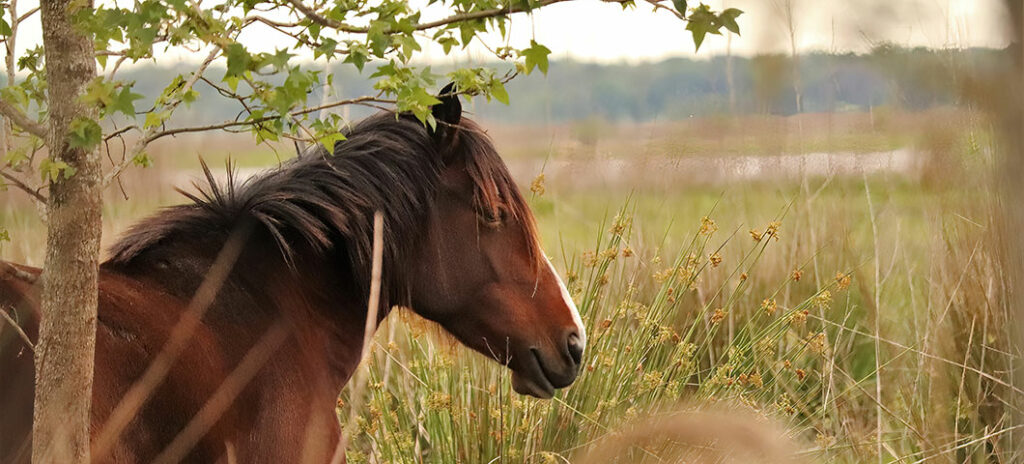
In Alachua County, Paynes Prairie Preserve State Park offers one of Florida’s most unique wildlife photography experiences. It’s the only place in the state where you can see wild bison and horses roaming freely. The park has eight trails, an observation tower with panoramic views, and access to Lake Wauburg for canoeing and fishing. As a gateway site on the Great Florida Birding Trail, it also supports a wide variety of bird species, from sandhill cranes to raptors.
These Central and North Florida spots showcase the quieter side of the state’s natural beauty. They provide opportunities for photographers to slow down, explore deeply, and uncover images that reflect Florida’s wild diversity beyond the coastlines.
Florida’s wetlands are among the most productive and visually dynamic ecosystems in the state. Teeming with birdlife, reptiles, and aquatic plants, these areas provide ideal settings for capturing both action-filled wildlife moments and peaceful natural scenes. With boardwalks, observation points, and seasonal migrations, these wetland destinations are a must for anyone serious about nature photography in Florida.
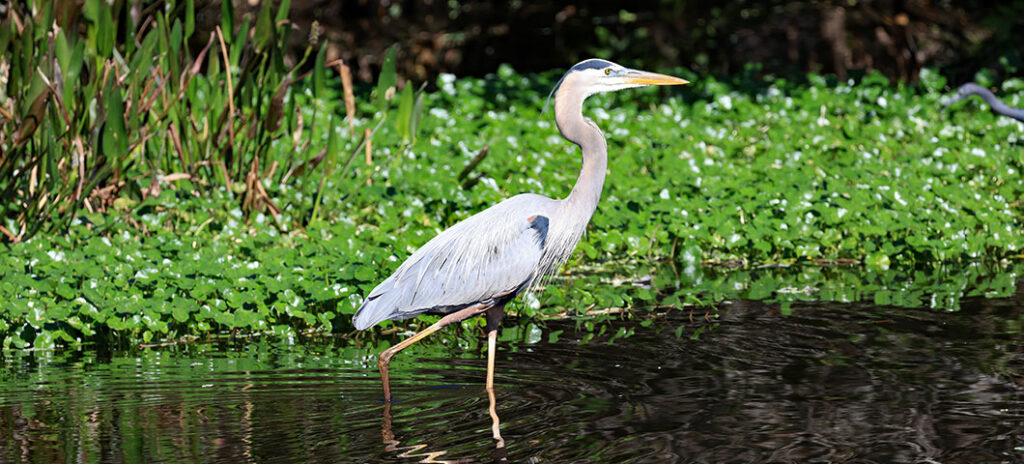
Located in Delray Beach, Wakodahatchee Wetlands is a restored water reclamation area that has become a hotspot for bird watchers and photographers. A three-quarter-mile boardwalk loops through a network of ponds, marshes, and islands where over 150 bird species have been documented. Roseate spoonbills, great blue herons, and anhingas are frequent subjects, along with turtles, raccoons, and alligators. The elevated viewing areas and gazebos offer excellent angles without disturbing the wildlife, making this an accessible and rewarding spot for Florida nature photography.
The Ritch Grissom Memorial Wetlands, better known as the Viera Wetlands, is a 200-acre expanse of ponds and marshes in Central Florida. Water from the wetlands eventually flows into the St. Johns River, supporting a wide range of species. Bird photographers will find plenty to capture here, from bald eagles and sandhill cranes to black-necked stilts and crested caracaras. Alligators are also commonly seen basking along the water’s edge. The gravel road loop allows for easy access by foot, bike, or vehicle, giving photographers flexibility in how they explore the area.
Near Orlando, Gatorland combines the features of a wildlife preserve with the accessibility of a theme park. Known as the “Alligator Capital of the World,” Gatorland offers a breeding marsh where both alligators and birds nest side by side. Photographers can take advantage of early morning or late afternoon photo passes for optimal lighting and less crowded conditions. Species such as cattle egrets, tricolored herons, and spoonbills nest during spring, offering unique bird photography opportunities. The park is also home to rare albino alligators, Florida panthers, and capybaras, adding variety to your wildlife portfolio.
These wetlands offer a blend of structure and wildness that make them ideal for photographers at every level. Whether you’re looking for dynamic bird photography or dramatic gator portraits, Florida’s wetland wonders deliver scenes that are both powerful and picturesque.
Florida offers an unmatched variety of ecosystems and wildlife, making it a top destination for nature photography. From the vast wetlands of the Everglades to the crystal-clear springs of Central Florida, and from the coral reefs of the Keys to the quiet pine forests of the Panhandle, the opportunities to capture the state’s natural beauty are endless.
Whether you’re drawn to birding trails, underwater scenes, or rare wildlife encounters, each region provides a new perspective and a chance to build your portfolio. Along the way, you’ll witness the important role that conservation areas and ecotourism play in preserving these delicate habitats.
Before you head out, remember to respect wildlife, follow park photography guidelines, and be mindful of your environmental impact. With your camera in hand and a sense of adventure, you’re ready to explore the best of Florida nature photography—one frame at a time.
